
AI Educational Video Production
for Schools & Training Teams
Sawa Films makes educational videos the way a studio makes a short film: one learning objective, a script your experts approve, a storyboard you sign off, then animation, narration and sound. Our AI educational video production turns safety procedures, values, history and complex systems into animated lessons and short documentaries for schools, education providers and government and corporate training teams, in Arabic and English. Storytelling leads and AI executes, so learners remember the idea, not the effect.

Educational Work We Have Made
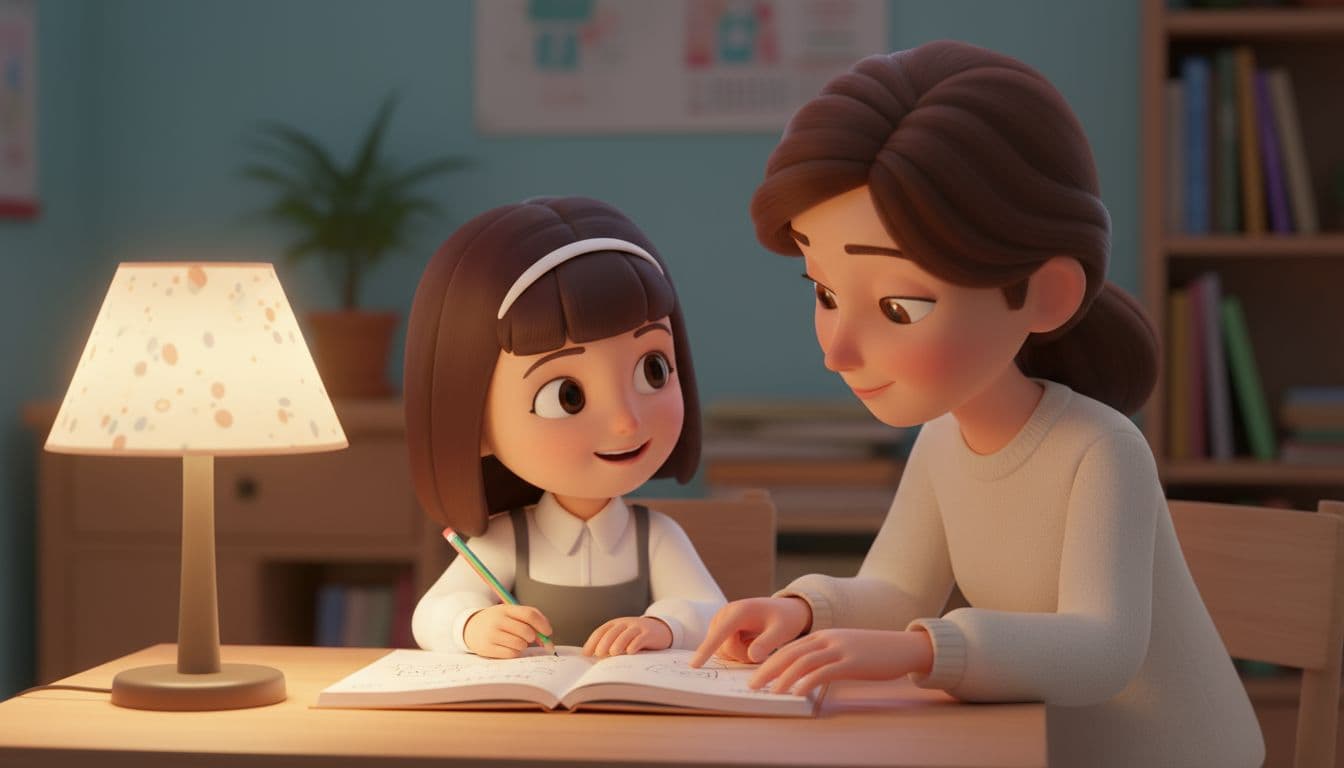
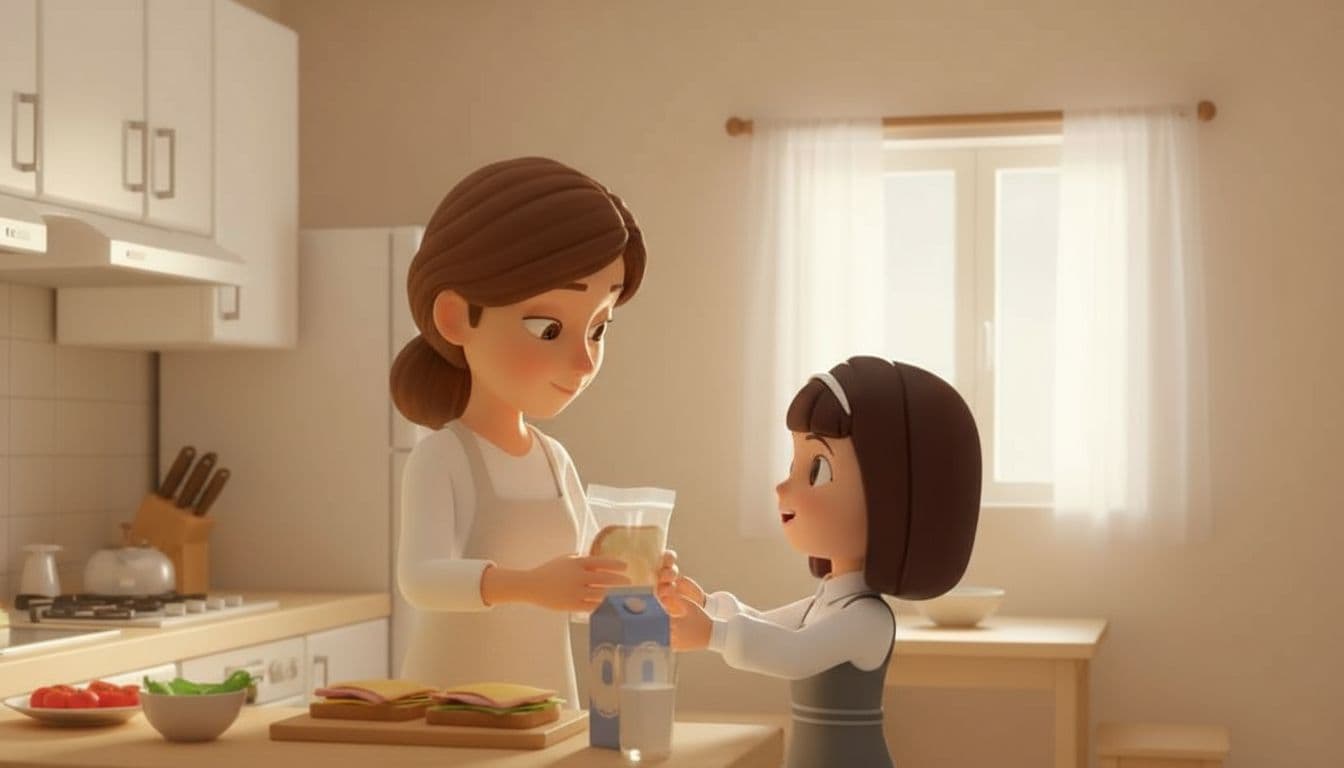
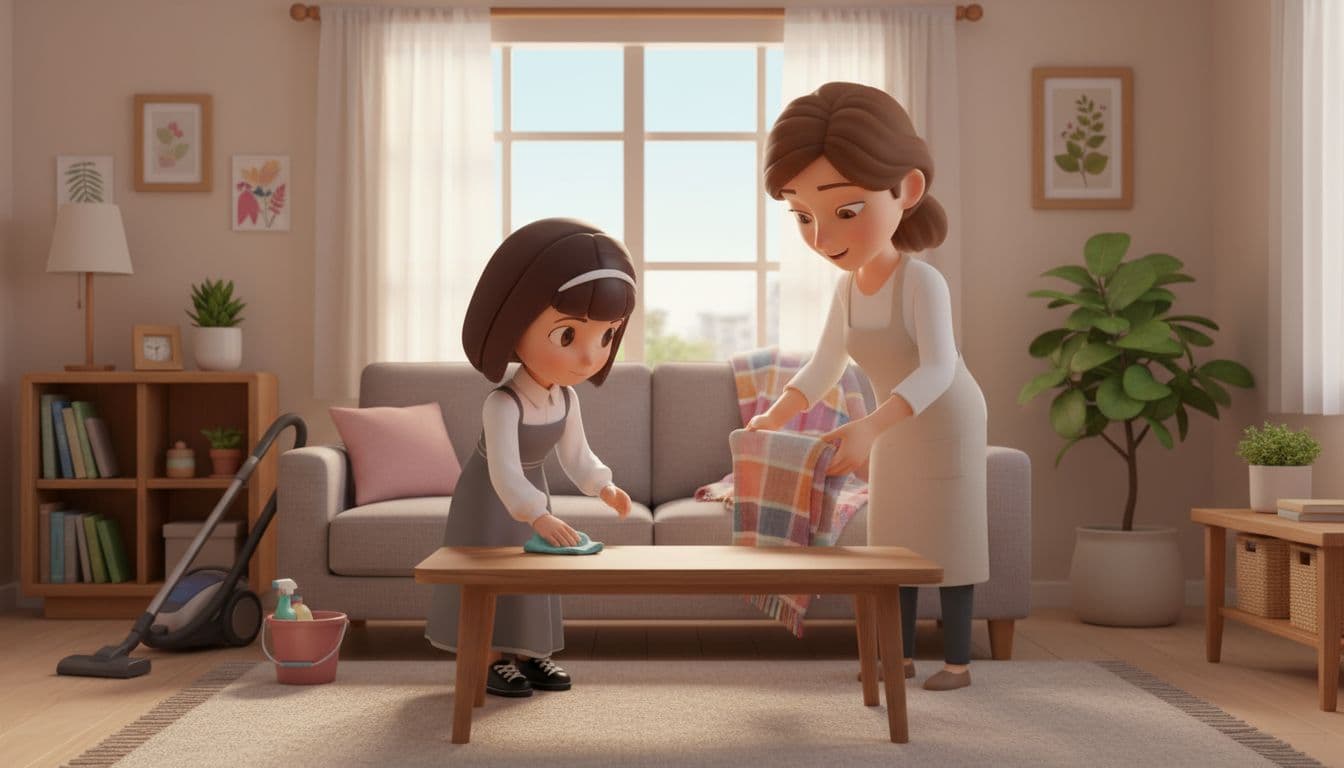
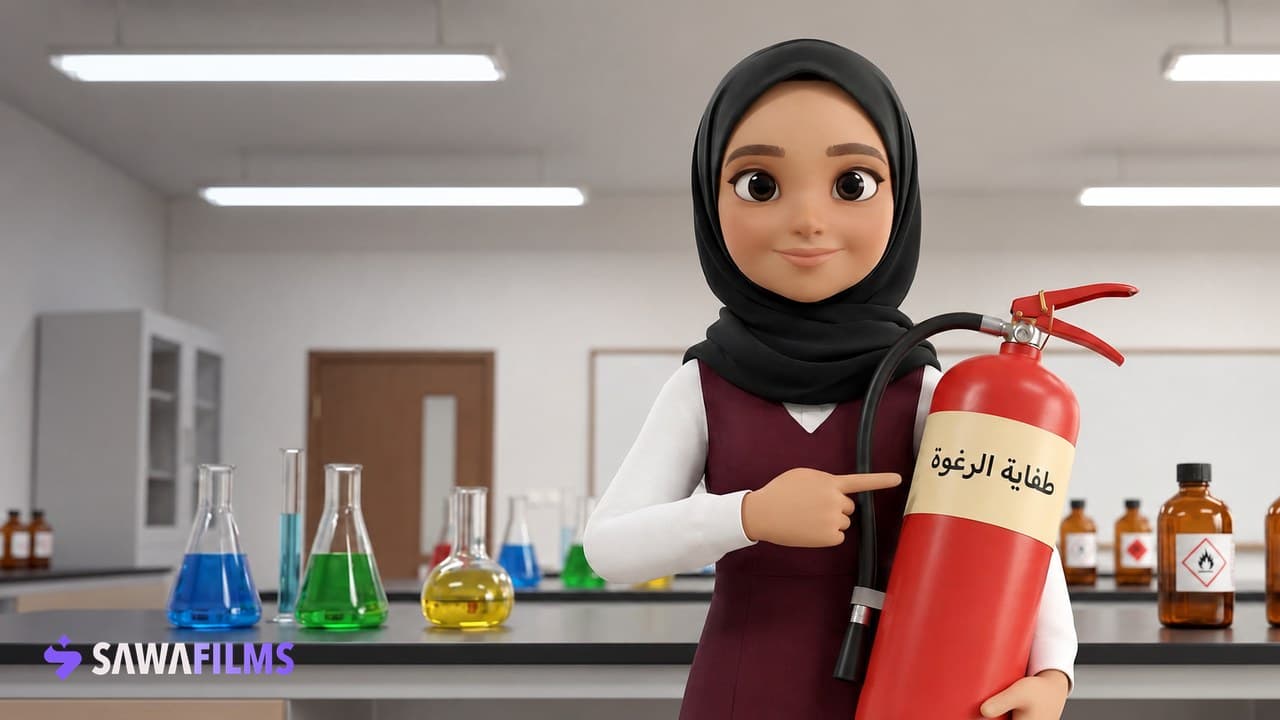
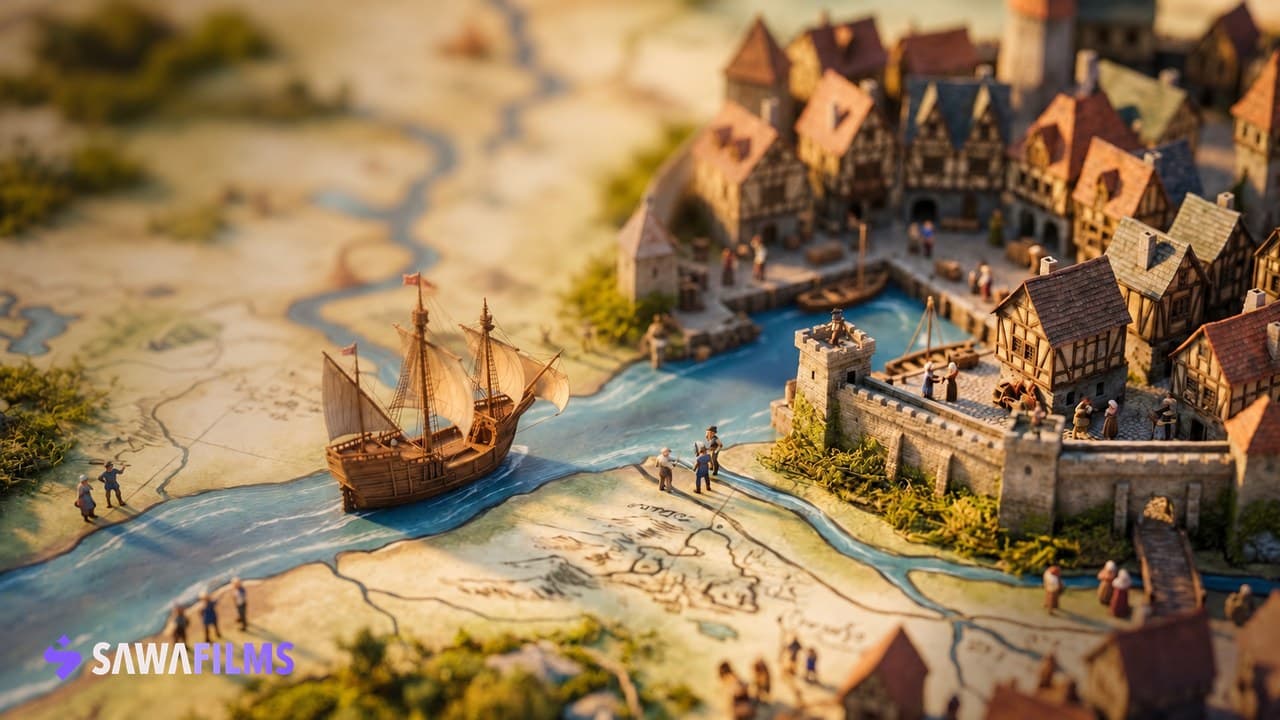
Each piece below is a Sawa Films production with its own visual route into the subject: a 3D animated fire safety guide, a character-led 3D story about responsibility, a 2D documentary and a 3D animated journey that bring a nation's history and achievements to life, and a tilt-shift miniature world, carried by narration, that makes global economics watchable.
- Short Film
FIRE SAFETY & EXTINGUISHER GUIDE
A 3D AI Animated Educational Video
- Short Film
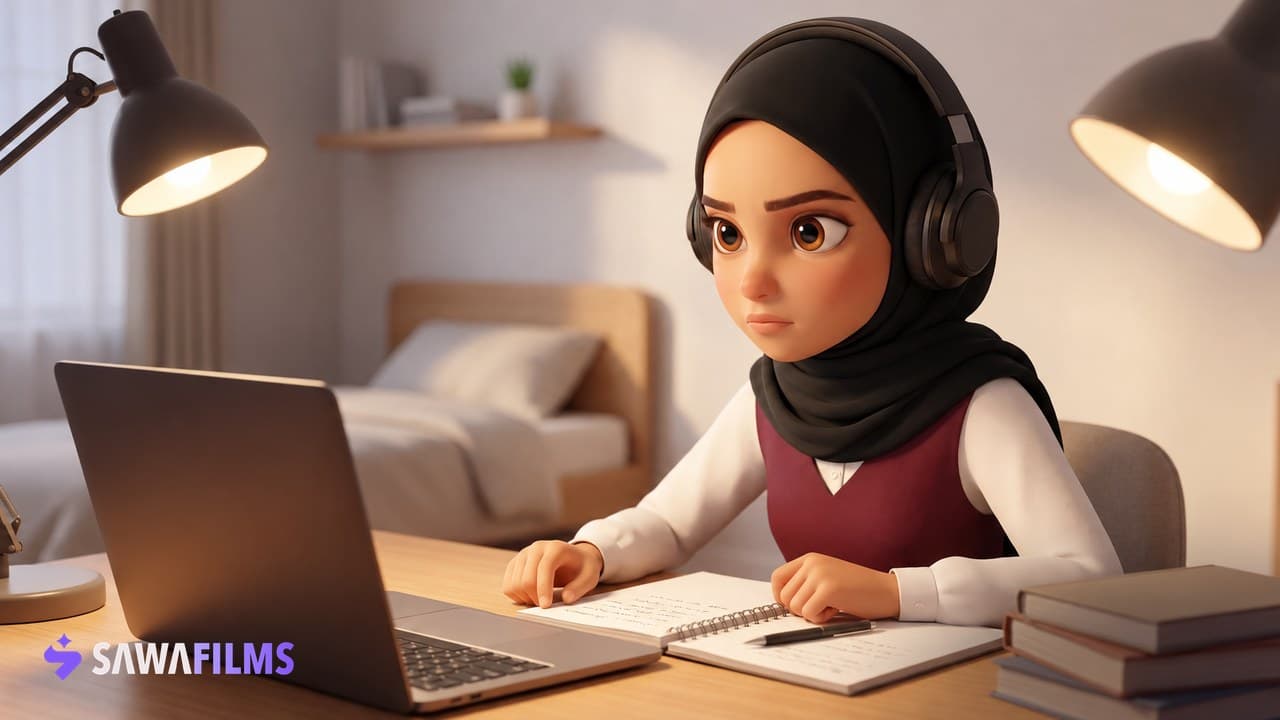
RESPONSIBILITY
A 3D Pixar-Style AI Educational Video
- Documentary
PIONEERS OF QATARI EDUCATION
2D AI Animated Documentary
- Documentary
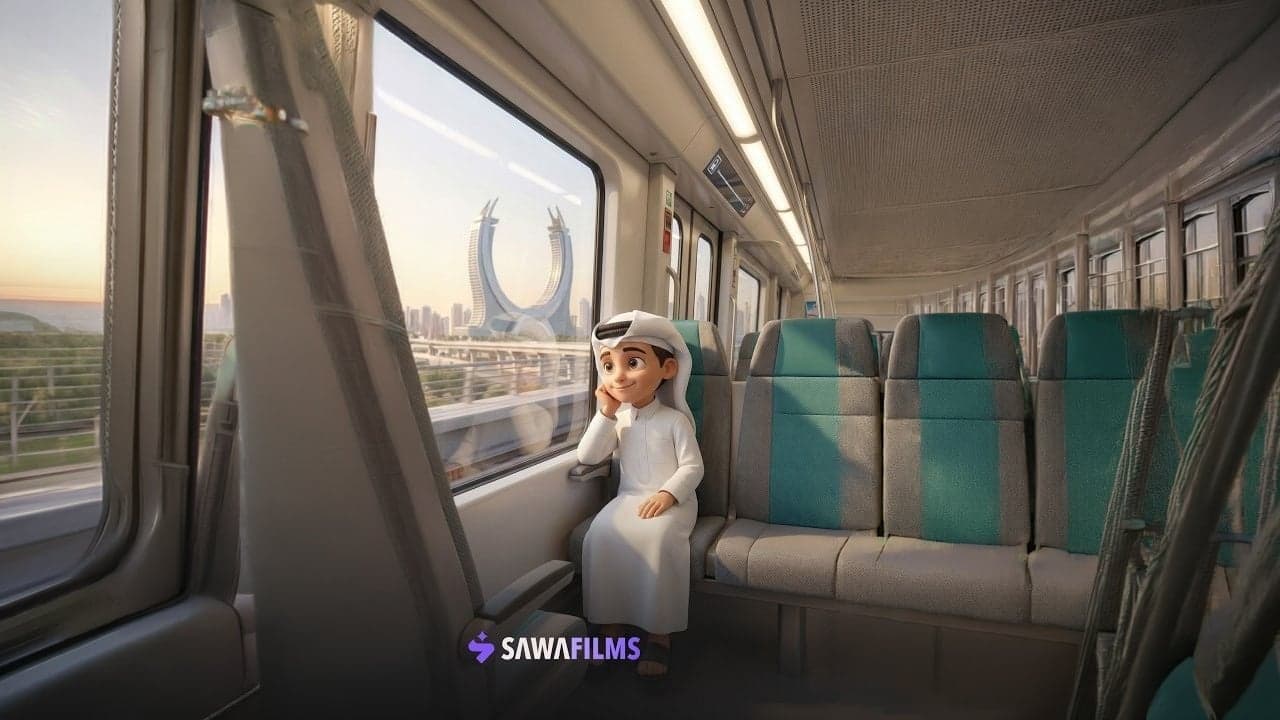
A JOURNEY THROUGH QATAR'S ACHIEVEMENTS
3D Pixar-Style Animation
- Documentary
The Modern World-System: Cinematic Tilt-Shift AI Documentary

What You Get
- Formats
- 16:9 master; 9:16 and 1:1 on request
- Languages
- Arabic and English
- Styles
- 3D and 2D animation, and documentary looks such as tilt-shift
- Narration
- AI voice-over in Arabic and English
- Timeline
- Measured in weeks, fixed in the brief
- Reviews
- Online, at script, storyboard and each cut
A Script Built on Your Material
Written from your curriculum, manual or notes around what your audience must understand or do, in Arabic, English or both. Your subject expert approves it before anything is visualized.
A Storyboard You Approve
Characters, settings, equipment and style are designed as stills first, so details like the right extinguisher or the right period are checked before motion is produced.
The Finished Video
Animated, edited, color graded and sound mastered, with music and effects that support the explanation.
Narration & Captions in Both Languages
Arabic and English voice-over, each written for its own audience, with captions so the lesson still works with the sound off.
Versions for Every Screen
A 16:9 master for classrooms, YouTube and learning platforms, plus 9:16 and 1:1 versions for social media.
How an Educational Video Gets Made
Because an educational video has to make one idea stick, the script carries extra weight in our six phases. Discovery fixes the learning objective, the audience's age or role and where the video will be watched. Your subject expert reviews the script before any image is generated, and the storyboard settles accuracy, from the right equipment to the order of steps, while changes are still quick. Narration and captions are written and timed in sound design.
Discovery & Concept
Script & Storyboard
AI Image Generation
Video Production
Sound Design
Final Delivery
Why Make Educational Videos with AI
Show What a Camera Cannot
A fire spreading through a room, a classroom from decades ago, goods crossing continents: learners see hazards, history and systems without staged danger or missing archive footage.
A Style Matched to the Learner
Character-led 3D for values, 2D for history, a miniature world for big-picture ideas. The look is a teaching decision made at the concept stage.
Arabic & English from One Production
The Arabic narration is written for Arabic-speaking learners from the first draft, not converted from English, and both versions share the same visuals.
Update a Scene, Not a Shoot
When a procedure, figure or policy changes, we rework only the affected shots and narration, with no crew to recall and no location to rebook.
Honest Limits
Your Experts Own the Facts
AI can draw a convincing picture of the wrong thing. We script from your approved material and flag what we cannot verify, but accuracy and safety sign-off stay with your subject experts.
Your Exact Site, Equipment or Procedure
If learners must recognize the fire panel in your building, a specific machine or your evacuation route, film it. Generated scenes show a convincing general version, not your premises.
A Real Trainer, a Real Demonstration
Generated characters are invented people. When a lesson depends on a known teacher on screen, or the precise hand movements of a practical skill, a live shoot with a human performer is the better choice, and we will say so at the brief.
A Full Course Is a Series, Not One Film
Most examples on this page run about a minute. A long curriculum works better as a series of short videos, each scoped and scheduled on its own.
Questions About Educational Videos
Do you offer school video production in Arabic and English?
Yes, for schools and education providers worldwide. The Arabic script uses the register your students expect, usually Modern Standard Arabic, and the English version is written in its own right, not translated line by line.
Which ages and grades do you make videos for?
All of them, from kindergarten to secondary school. Tell us the age group and the subject, and the script, pace and style are set for them.
Who checks that the content is accurate?
Your team, with our support. We build the script from your material and ask your subject expert to approve it before any visuals are made, and again at the storyboard. Anything we cannot confirm is flagged, never guessed.
Which animation style suits our audience?
It depends on the subject and the learners' age. Character-led 3D, as in Responsibility, suits values; a 3D guide suits procedures such as fire safety; 2D suits history; a tilt-shift miniature look suits systems. We propose a style at the concept stage, shown as still frames.
Can the videos be used for workplace safety training?
Yes, to explain hazards and procedures clearly, as our fire safety guide does. Treat the video as part of your training, not a replacement: your safety officer should approve every step, and anything specific to your site or equipment may need filming.
Can one video grow into a series?
Yes. Characters, settings and style are fixed at the storyboard, so later episodes stay consistent. If you know a series is coming, say so in the brief and we will plan the look, narrator and structure for the whole run.
Will the files work on our learning platform?
We deliver finished video files in the formats agreed in the brief, ready for a learning platform, YouTube or your intranet. Send your platform's technical requirements with the brief and we prepare the files to match.
What should a brief for an educational video include?
The audience, what they should understand or do afterwards, your source material, languages, approximate length, where the video will play and the deadline. You do not need a script or a style: both come out of the first phases.
How far ahead should we brief you?
Production is measured in weeks, not months, and the schedule is fixed once the brief is clear. Allow time for your own approvals; if the video must be ready for a new term or training cycle, tell us that date first.
Tell us what your audience needs to learn
Share the topic, the audience and where the video will be watched, in Arabic or English. We reply by email within 24 hours with a suggested approach.