
AI Film Production Studio
for Brands Worldwide
Sawa Films is an AI film production studio working with brands worldwide. We write, storyboard and direct AI short films, trailers and teasers the way a film crew would, then generate every shot, with no set to build, no location to book and no VFX house to hire. Cinematic scale, in Arabic and English, on a schedule measured in weeks.
AI Short Films & Trailers from Our Studio
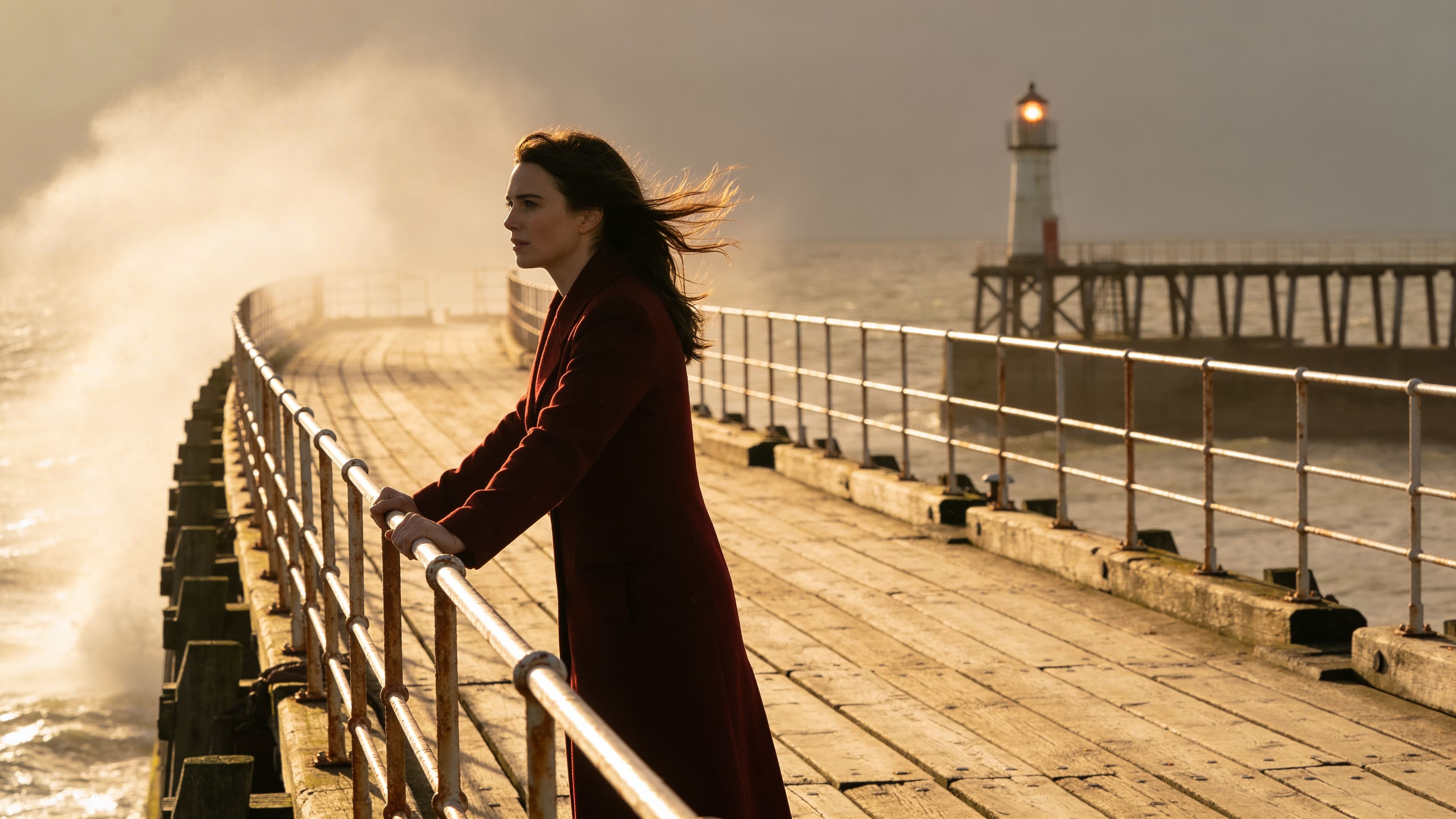
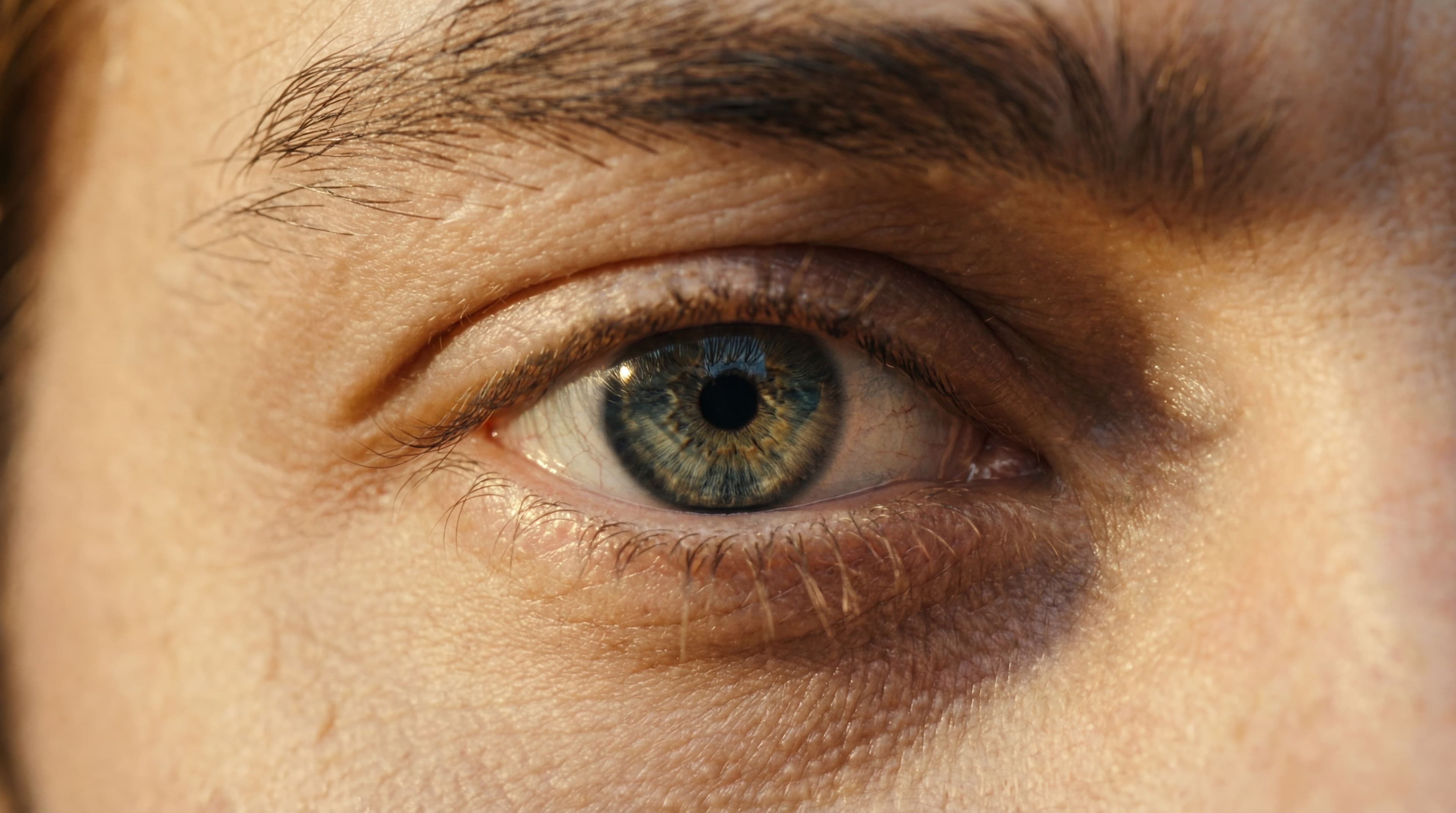
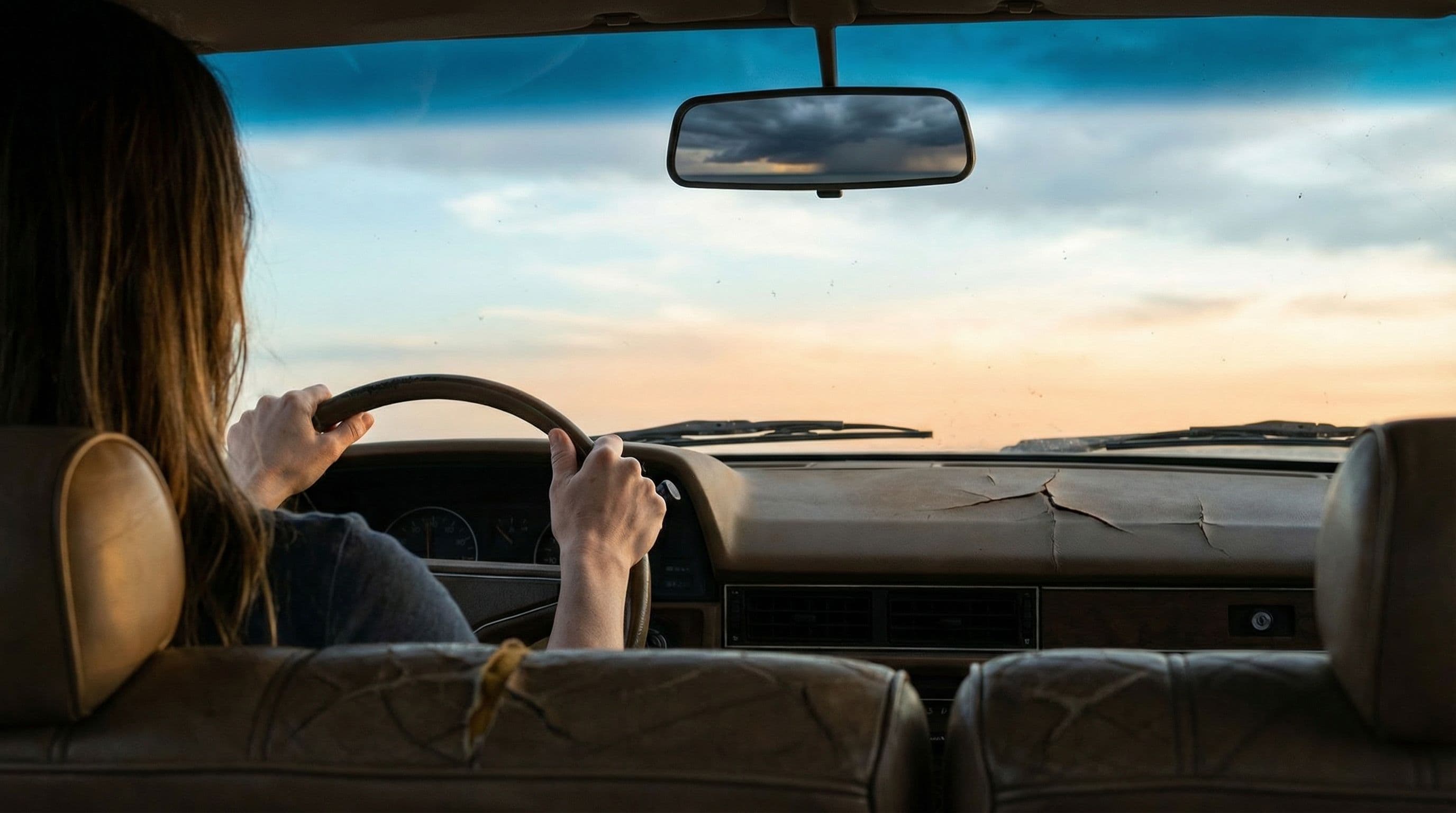
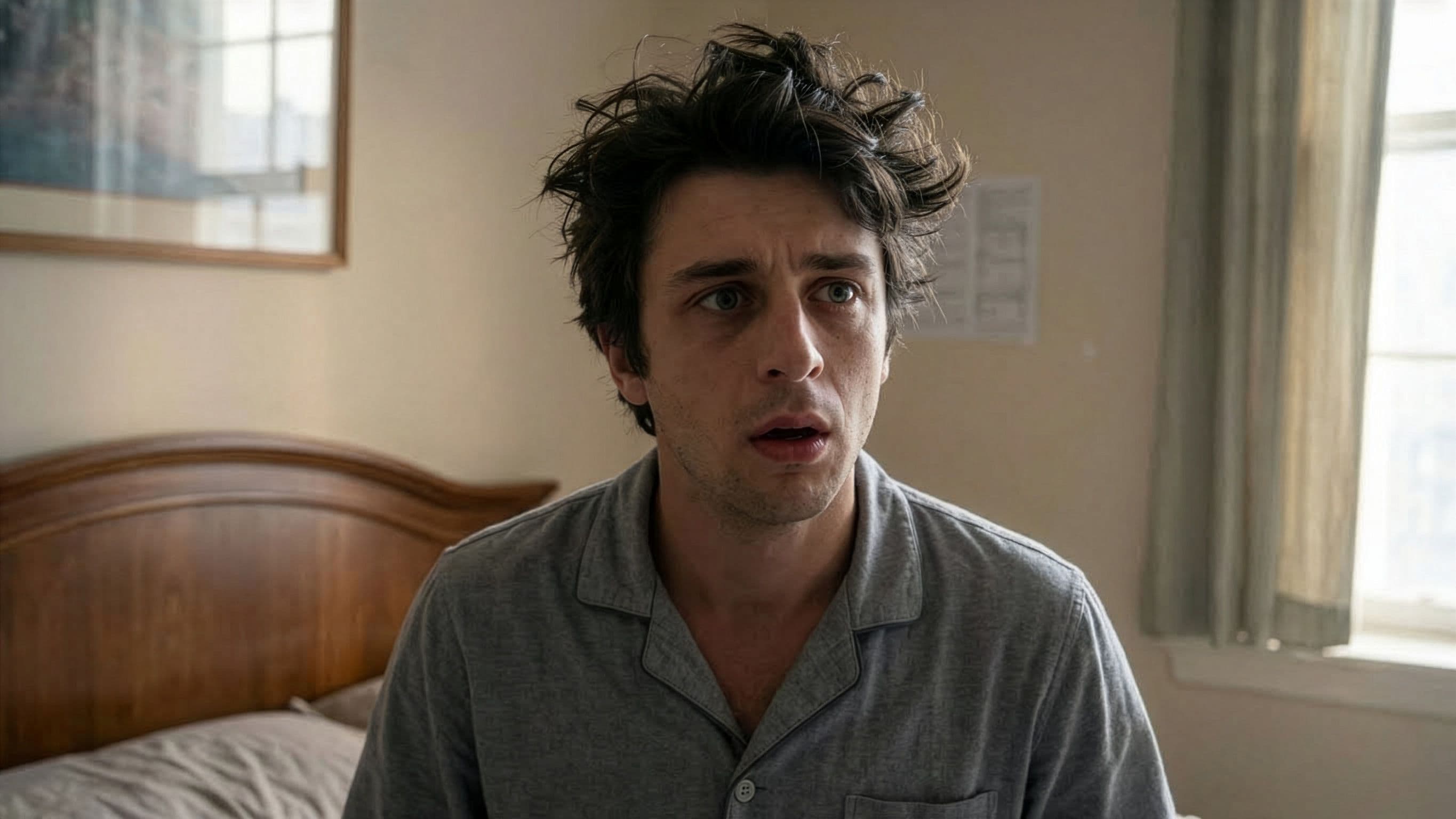
Every film below is a Sawa Films production: short films, trailers, teasers and concept pieces we wrote, directed and finished in-house. Our AI trailer production spans science fiction, horror, superhero action and creature features, and each film was storyboarded before a single frame was generated.
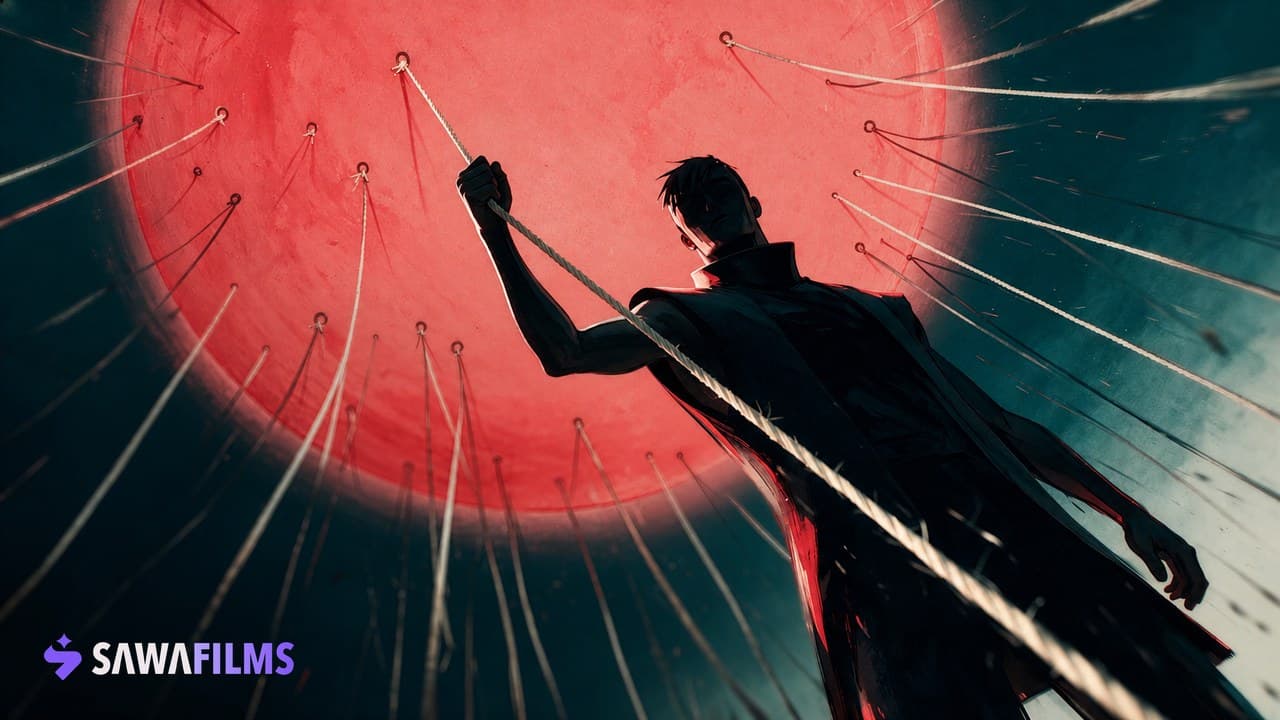
- Short Film
Sons of the Sun
AI Short Film
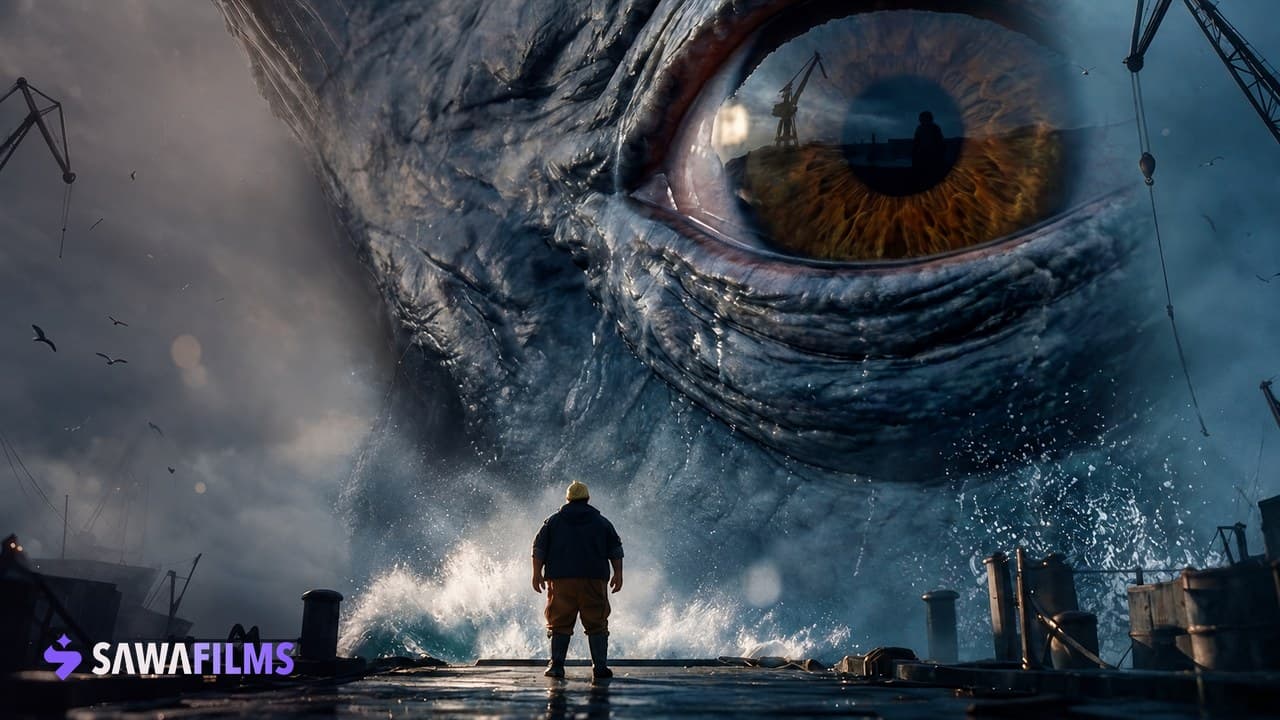
- Short Film
JONAH
Hyper-Realistic AI Creature Thriller
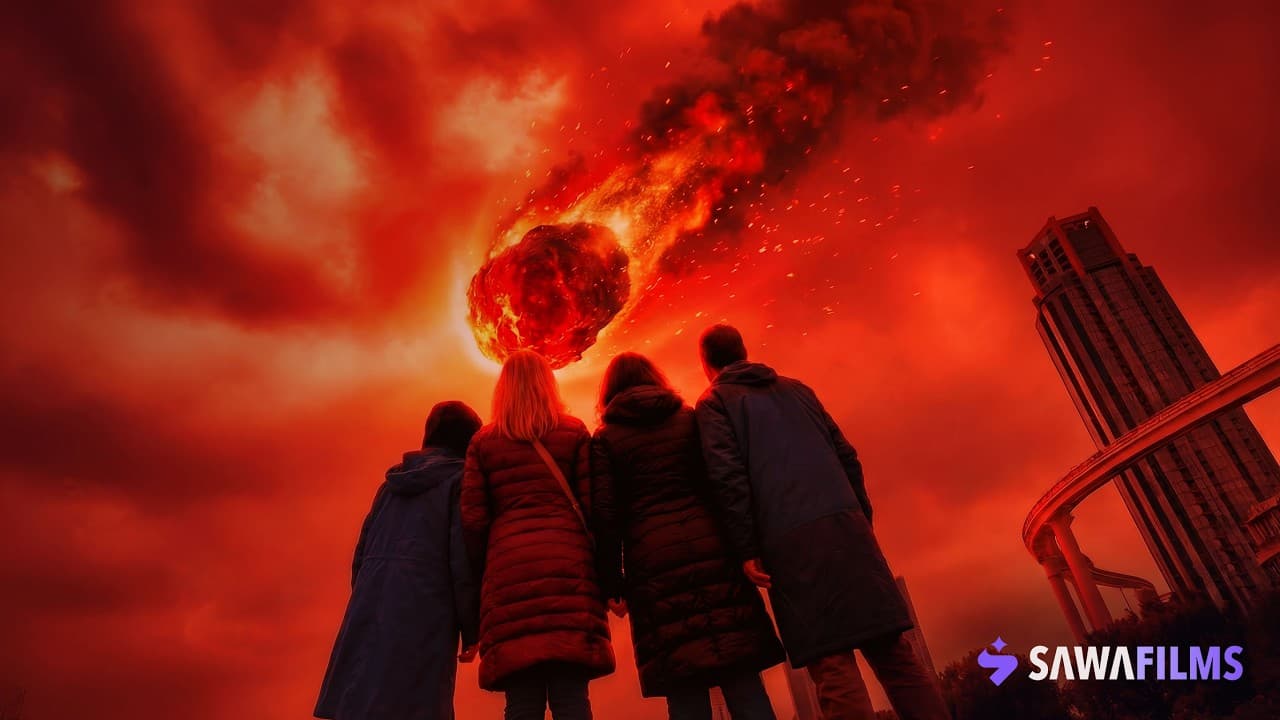
- Short Film
NIBIRU
Cinematic Realistic AI Film Trailer
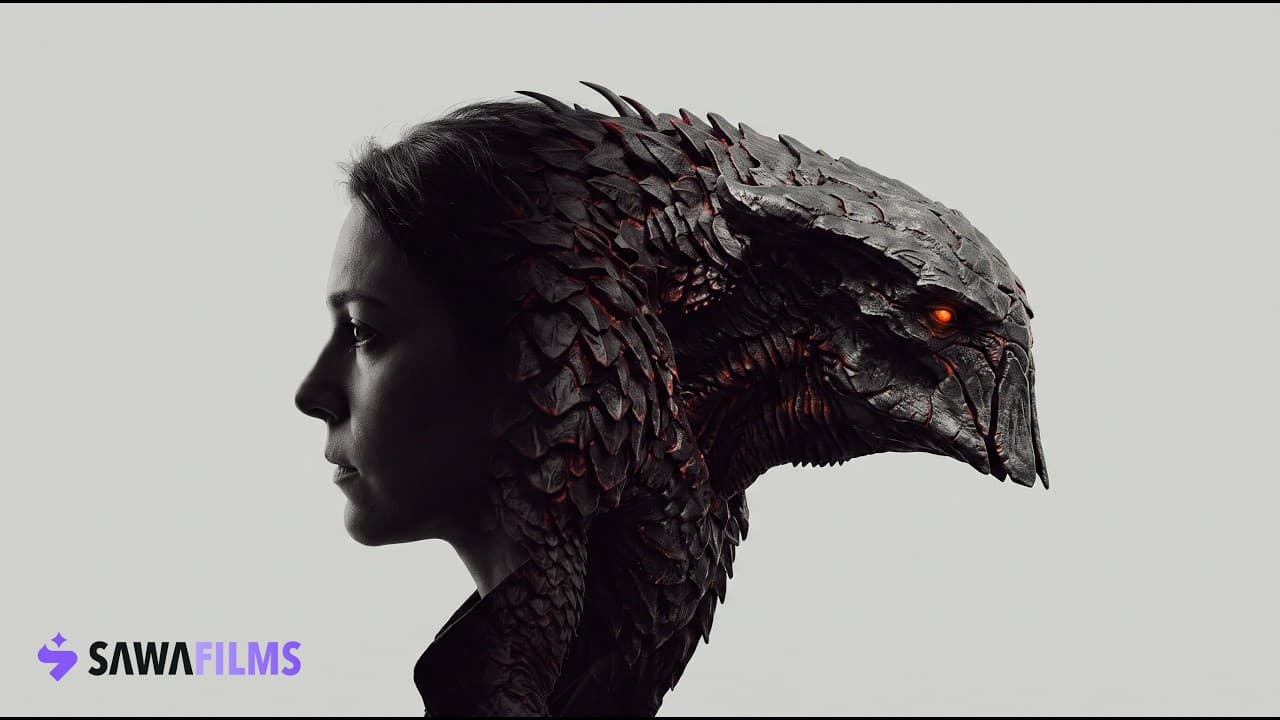
- Short Film
KEENING
Photorealistic AI Horror Movie Trailer (4K)
- Short Film
LODESTONE
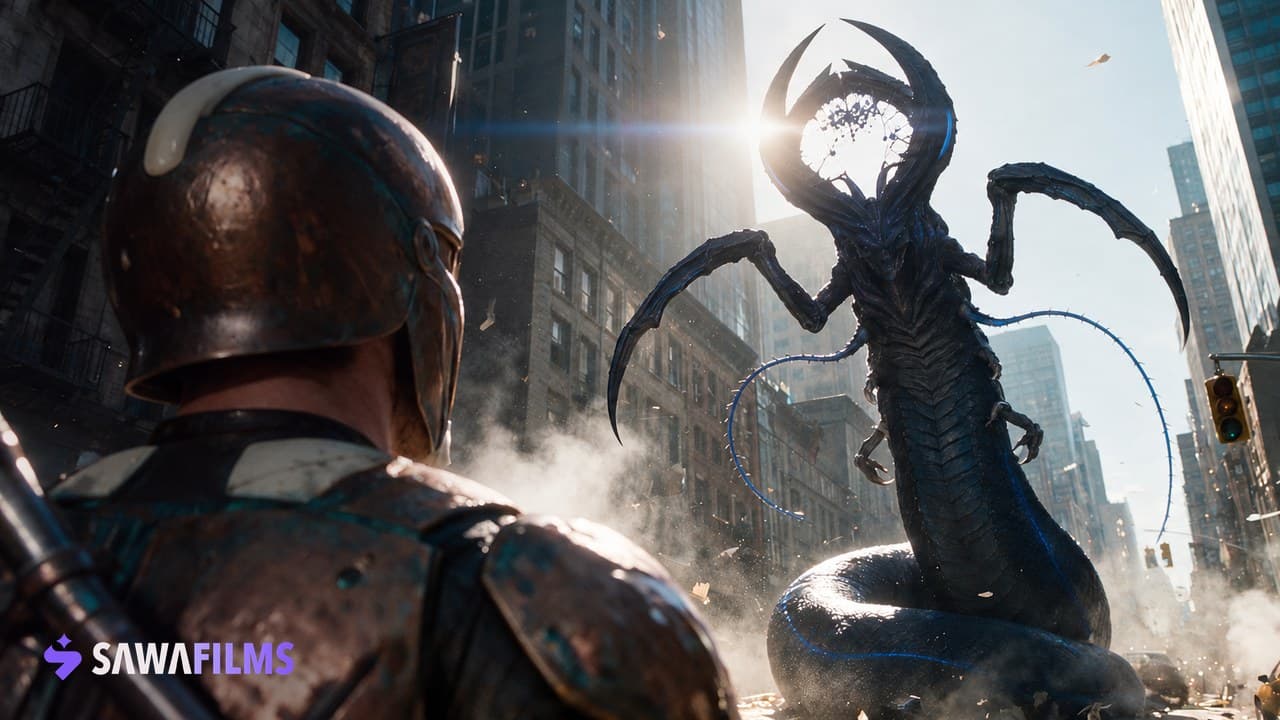
High-Octane AI Superhero Trailer
- Short Film
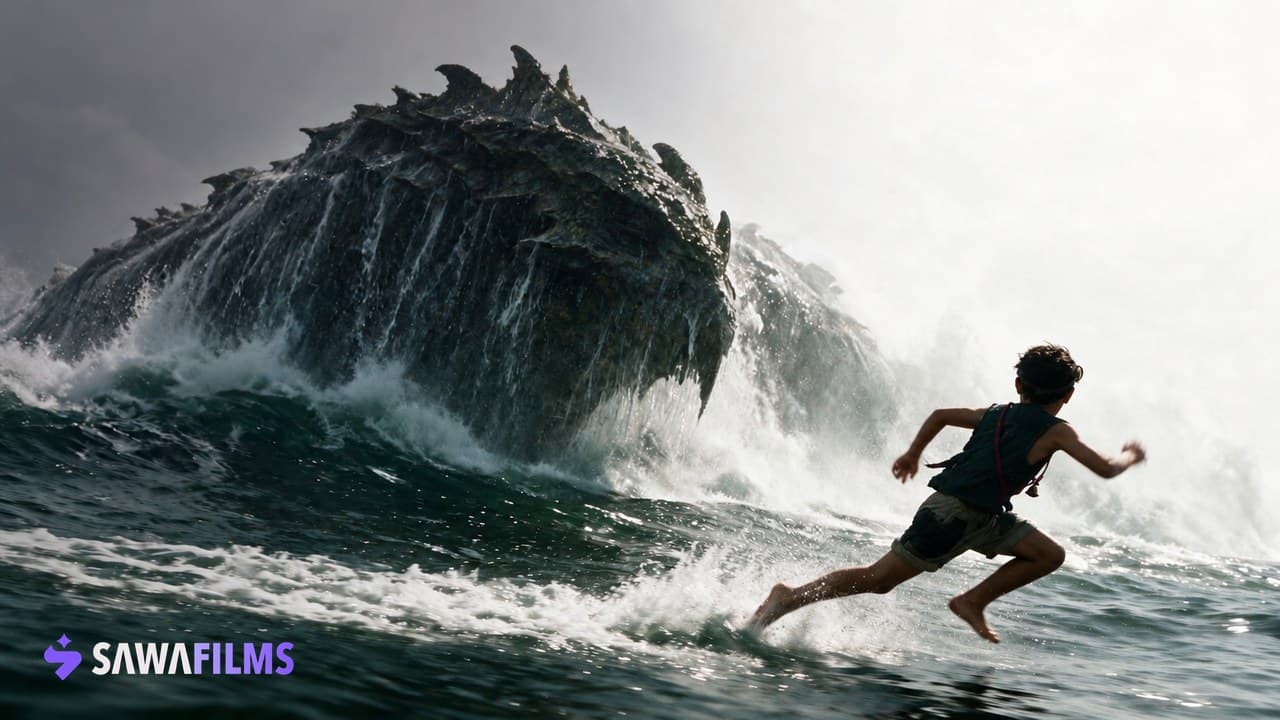
THE ANCIENT TIDE
Photorealistic Kaiju Concept Trailer
What You Get
- Formats
- 16:9 master; 9:16 and 1:1 versions on request
- Languages
- Arabic and English
- Turnaround
- Typically 4 to 8 weeks for a longer film
- Reviews
- Online, at the storyboard and at each cut
Story & Script
A written treatment that sets the audience, tone and references, then a script that fixes what is seen and heard. Nothing is generated until the story holds.
A Storyboard You Approve
A frame-by-frame board with characters, environments, lighting and style locked, so you sign off on the look before any motion is produced.
The Finished Film
A trailer, teaser or short film, edited, color graded and mastered, with every shot art-directed to match the approved board.
Sound That Carries the Story
Music, sound effects and voice-over designed and mixed for the film. On NIBIRU, sound carried half the atmosphere.
Arabic & English Versions
Script, voice-over and on-screen titles in both languages from one production, each written in its own language, not translated line by line.
Versions for Every Screen
A 16:9 master for YouTube, the web and large screens, plus 9:16 and 1:1 cuts for social when the brief needs them.
How a Film Gets Made
A film is directed long before anything is generated. Our six steps put the story, the script and a locked storyboard first, so every shot has a job in the edit before it exists. Generation is where we iterate hardest: each shot is checked against the board and regenerated until characters, light and motion hold. Then post-production takes over, where pacing, sound, color and mastering decide whether the film works.
Discovery & Concept
Script & Storyboard
AI Image Generation
Video Production
Sound Design
Final Delivery
Why Make a Film with AI
Scale Without a Set
Destruction, spacecraft, crowds, a creature rising from the sea: scenes that would need locations, builds and a VFX house on a traditional shoot start here from a storyboard.
See the Film Before It Moves
Characters, environments and lighting are locked as still frames first, so you approve the look early, when changes cost the least.
Rework One Shot, Not a Whole Day
If a moment does not land, we rework that shot alone. There is no crew to call back and no location to book again.
Any Era, Any World
A city in 2045, the last morning on Earth, an ancient tide carrying a giant: the story decides the world, not the travel and set budget.
Honest Limits
Performance-Led Drama Still Needs Actors
If your film rests on one actor's sustained performance, such as long dialogue or subtle emotion in close-up, a live shoot with a human performer is still the better choice. We will tell you so at the brief.
Consistency Takes Time
Keeping faces, wardrobe and mood identical across dozens of shots is the hardest part of AI filmmaking. More characters and scenes mean more iteration, so we fix them at the storyboard and schedule around them.
Real People & Exact Places
A recognizable person, a specific building or a product in precise detail needs reference material and clear permission, and sometimes a camera is simply the more accurate tool.
Short Form Is Our Proven Range
Our published films are trailers, teasers and concept pieces. A longer runtime multiplies consistency and review work, so it is scoped on its own terms.
AI Film Production Questions
What is an AI film studio?
It is a studio that writes, storyboards and directs films the way a film crew would, then produces every shot with AI instead of cameras, sets and a VFX house. Each trailer and short film on this page was storyboarded before a single frame was generated, then made shot by shot to match the approved board and finished in-house.
Is an AI movie studio just an AI video generator?
No. A generator turns a prompt into a clip. A studio decides what the film needs: the story, the storyboard and the job each shot does in the edit. Each shot is checked against the approved board and regenerated until characters, light and motion hold, and we reject far more footage than we keep. Editing, sound, color and mastering then turn the chosen shots into one film.
Can you make a concept trailer for a film or series before it is shot?
Yes. A concept trailer shows the world, the tone and the central idea before anyone commits to a full shoot. JONAH and THE ANCIENT TIDE on this page are studio concepts built exactly that way.
Can a brand use trailer-style filmmaking for a launch?
Yes. The structure of a trailer, a slow build of tension toward a reveal and a title card, works for a product launch, an opening or a campaign teaser as well as it does for a feature. We scope it like any brand film.
How long does an AI short film take to produce?
Longer films typically take 4 to 8 weeks from brief to delivery. The schedule depends on the runtime and on how many characters and locations must stay consistent. Most of that time goes into story, storyboard and shot-by-shot iteration, not into waiting on software.
How do you keep characters consistent from shot to shot?
We lock each character's face, wardrobe and lighting as still frames before any motion is produced, then check every generated shot against that reference and regenerate whatever drifts. On NIBIRU, holding the two leads steady across the whole trailer was the hardest technical challenge.
Can the film be made in Arabic?
Yes. The script, voice-over and on-screen titles can be written in Arabic from the first draft, and an English version can come from the same production. Tell us at the brief which language leads, and we build the edit around it.
We already have a script. Can you work from it?
Yes. When the story is already written, discovery focuses on the visual direction: the look, the lens language and the storyboard. Before we start, we flag any scene that AI production handles poorly.
Are the actors in these films real?
No. Every character in these trailers is generated and directed shot by shot rather than cast and filmed. If your project needs a real actor's likeness or performance, we will recommend a live shoot or a mix of both.
Tell us the story you want on screen
Send a short brief in Arabic or English: the idea, the audience, where the film will be shown and when you need it. We will come back with our questions and a first direction.