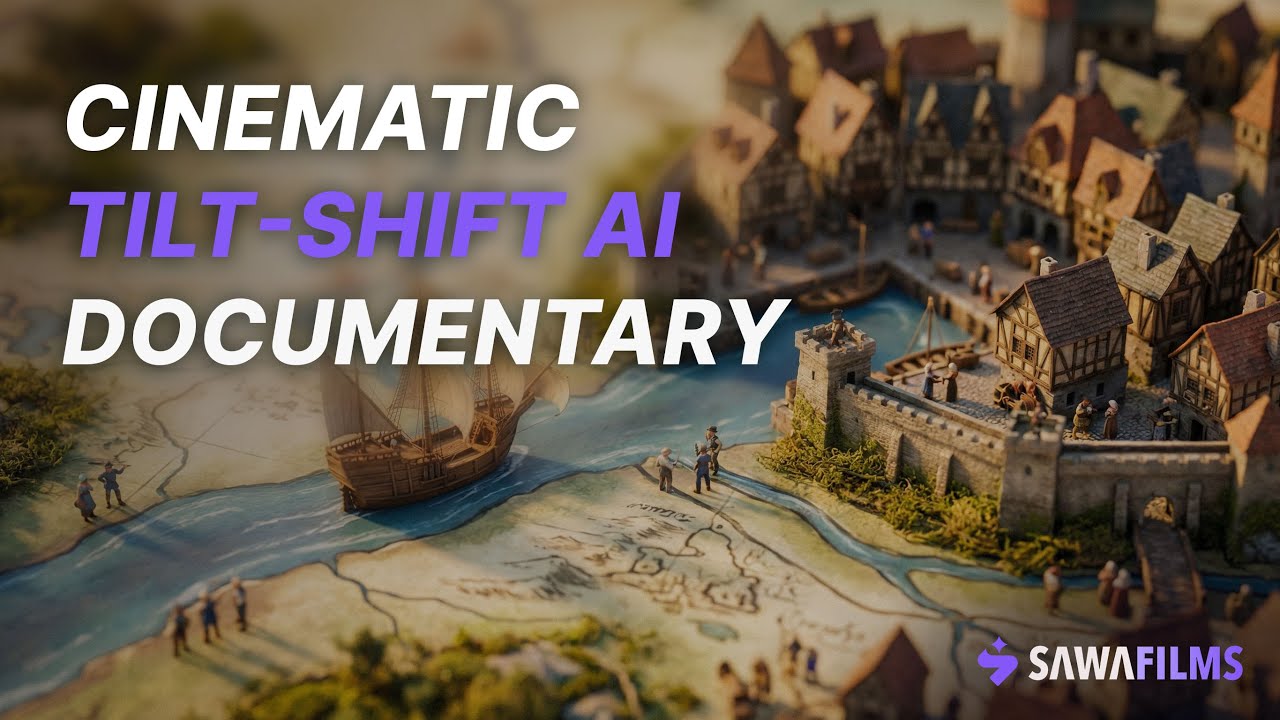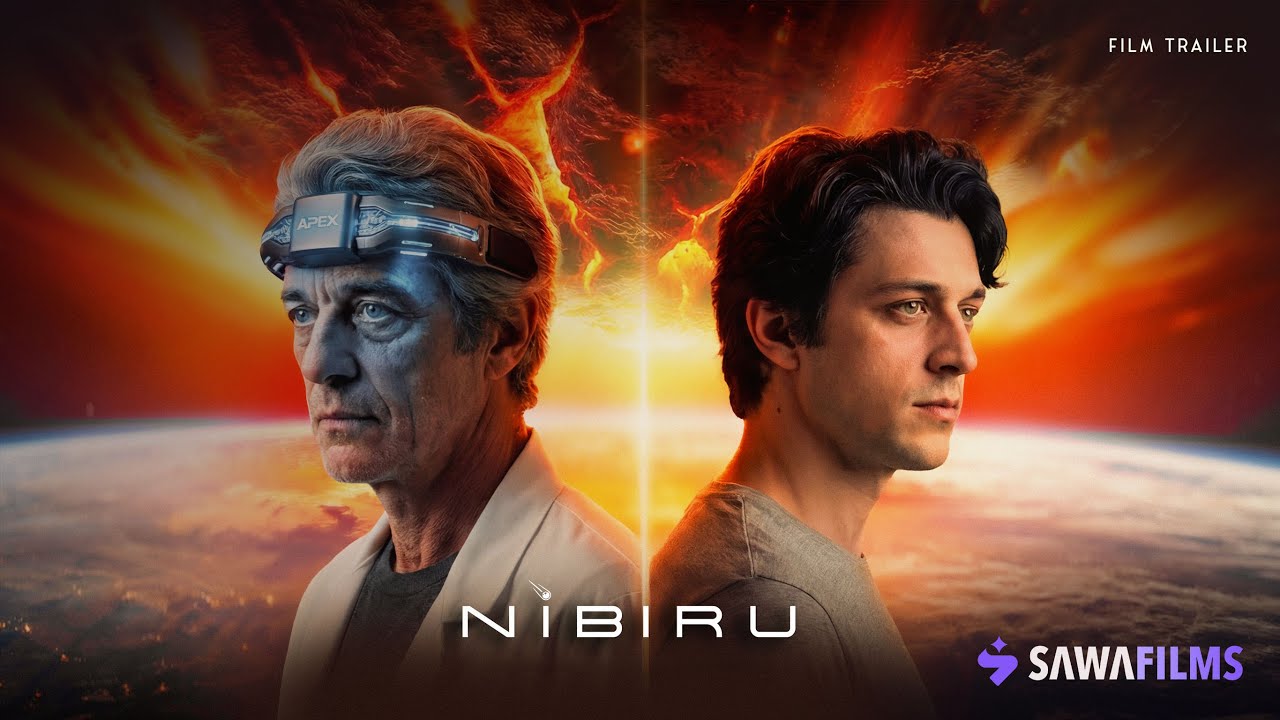
There is a lot of noise about AI replacing filmmakers. Having produced films, commercials, music videos, and documentaries entirely through AI production, we can offer a grounded answer: some things change completely, and some things do not change at all.
What Changes: The Cost of Ambition
The biggest shift is that visual ambition is no longer gated by budget. Locations, sets, VFX render farms, large crews: the line items that used to decide what was possible now largely disappear. A small team can produce sweeping, cinematic work that once required a studio’s resources.
What Changes: The Speed of Iteration
You can try ten visual directions in the time it once took to light one shot. That changes how bold you can be creatively, and how fast you can respond to a brief or a trend.
What Never Changes: Story
A film still lives or dies on its story. AI does not write your idea, define your message, or decide what will move an audience. Every project we are proud of started with a strong story and clear intent. The tools came after.
What Never Changes: Direction and Taste
Someone still has to decide what is good. Framing, rhythm, tone, emotional truth, brand accuracy: these are directorial judgments. AI generates infinite options; taste is what selects the right ones. If anything, taste matters more now, because there is no technical limit hiding weak choices.
What Never Changes: Sound and Edit
Editing rhythm, sound design, and music still decide whether a piece works. This craft is untouched by the hype and undiminished in importance.
The Honest Conclusion
AI production does not remove the filmmaker. It removes the barriers between the filmmaker and the vision. The craft moves upstream, into story, direction, and taste. That is not the end of filmmaking. It is filmmaking with fewer excuses.