The most common misconception about AI filmmaking is that it happens in one step: type a prompt, receive a film. In reality, our productions at Sawa Films move through a pipeline that any filmmaker would recognize, with AI transforming the cost and speed of specific stages, not the need for craft.
1. Brief and Story Development
We start by understanding the goal: a brand message, a story, a song, a heritage piece. This becomes a written treatment with audience, tone, and references. Nothing visual is generated yet.
2. Script and Visual Direction
The script defines what is said and shown; the visual direction defines how it feels: color palettes, lens language, era, mood boards. Because AI can render any style, deciding the style early matters more than ever.
3. Storyboard and Shot Design
Every production gets a shot-by-shot plan. This is where a film is really directed: framing, movement, continuity, and rhythm are decided on paper before generation begins.
4. AI Generation and Iteration
Only now do the tools come in. Each planned shot is generated, reviewed against the board, and regenerated until it matches the direction. Character consistency, physics, and brand accuracy get special scrutiny. We discard most of what we generate. Taste is the filter.
5. Edit, Sound, and Music
The selected shots move into a traditional post-production suite: editing, sound design, voiceover, and music. This stage is untouched by hype and unchanged in importance: pacing and sound still decide whether a film works.
6. Review and Delivery
Clients review structured cuts, give notes, and receive final masters in every format they need, including localized and platform-specific versions, which AI makes economical for the first time.
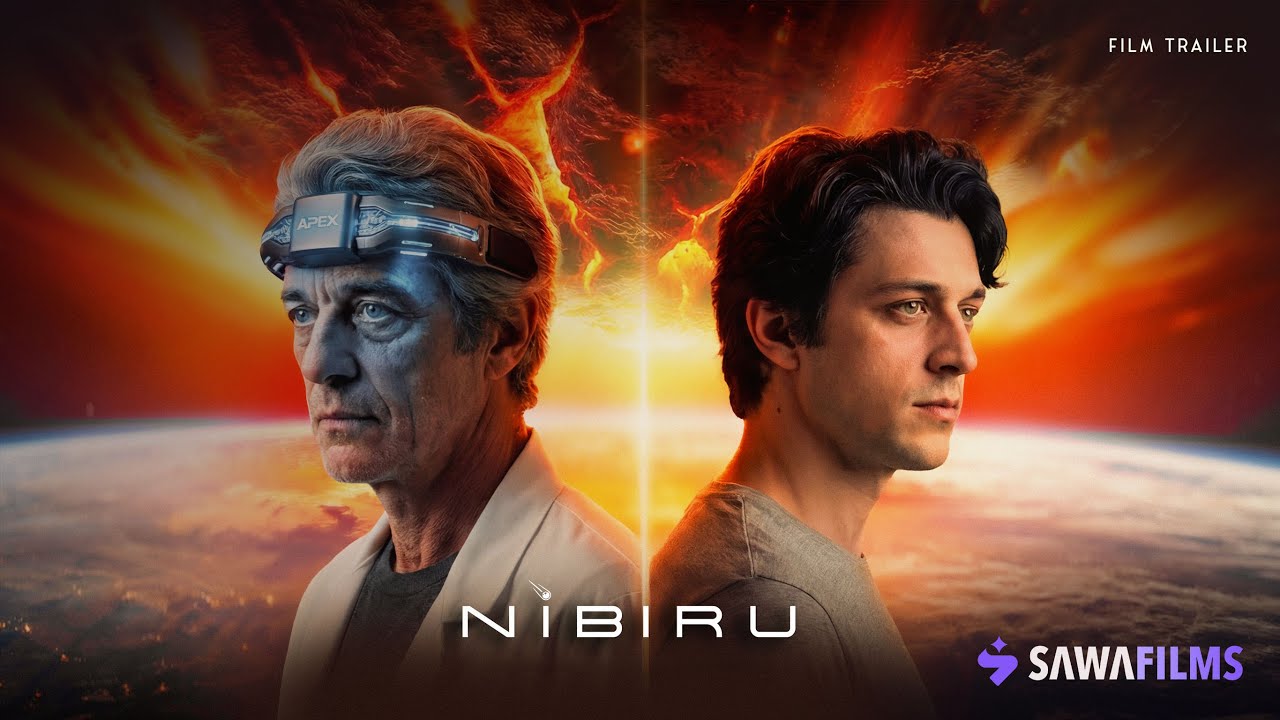
From NIBIRU’s sci-fi world to Qatar heritage films and children’s music videos, this same pipeline carries every project. The tools will keep changing. The process, story first and craft throughout, is what makes the results cinematic.